
- Main page
- News
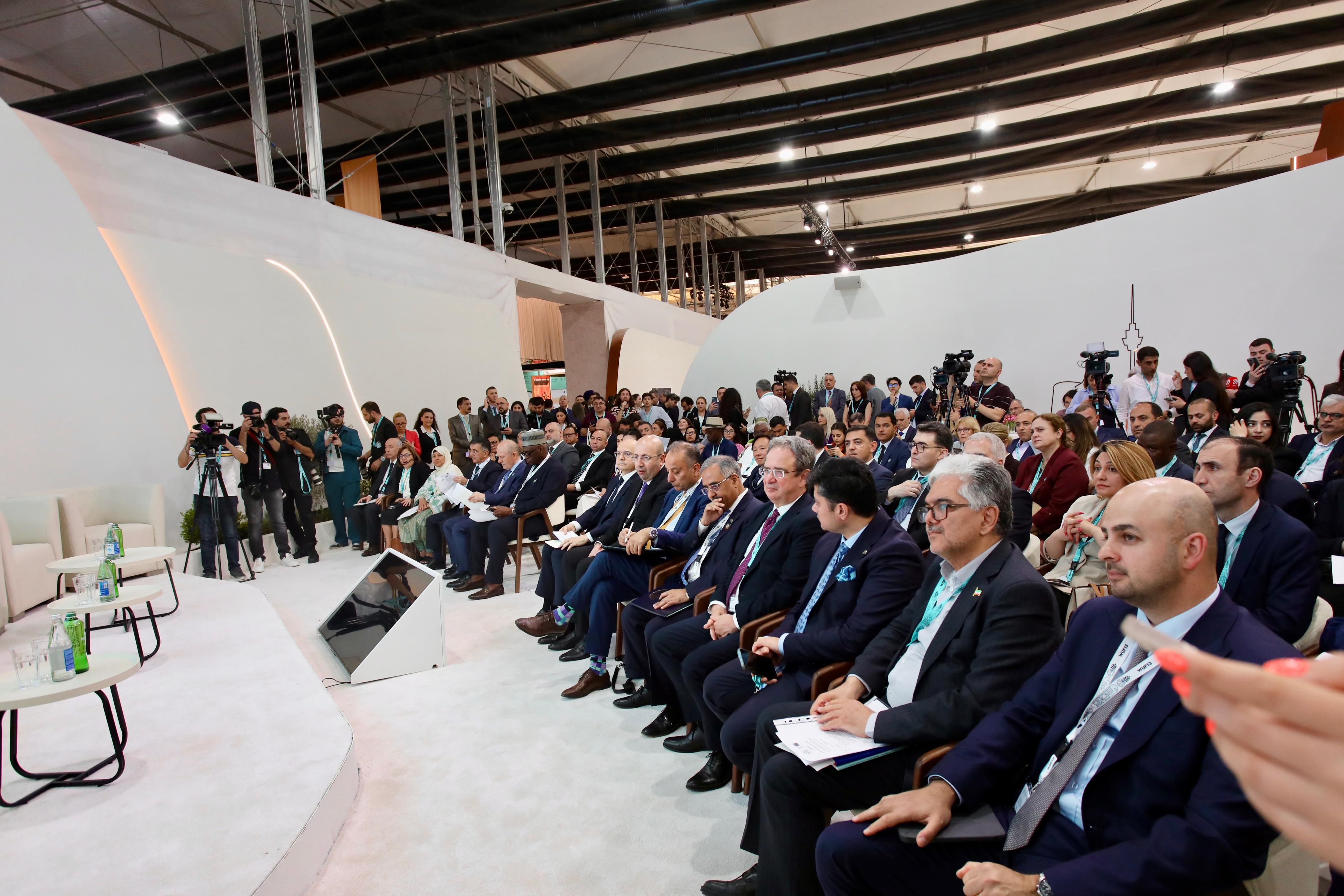
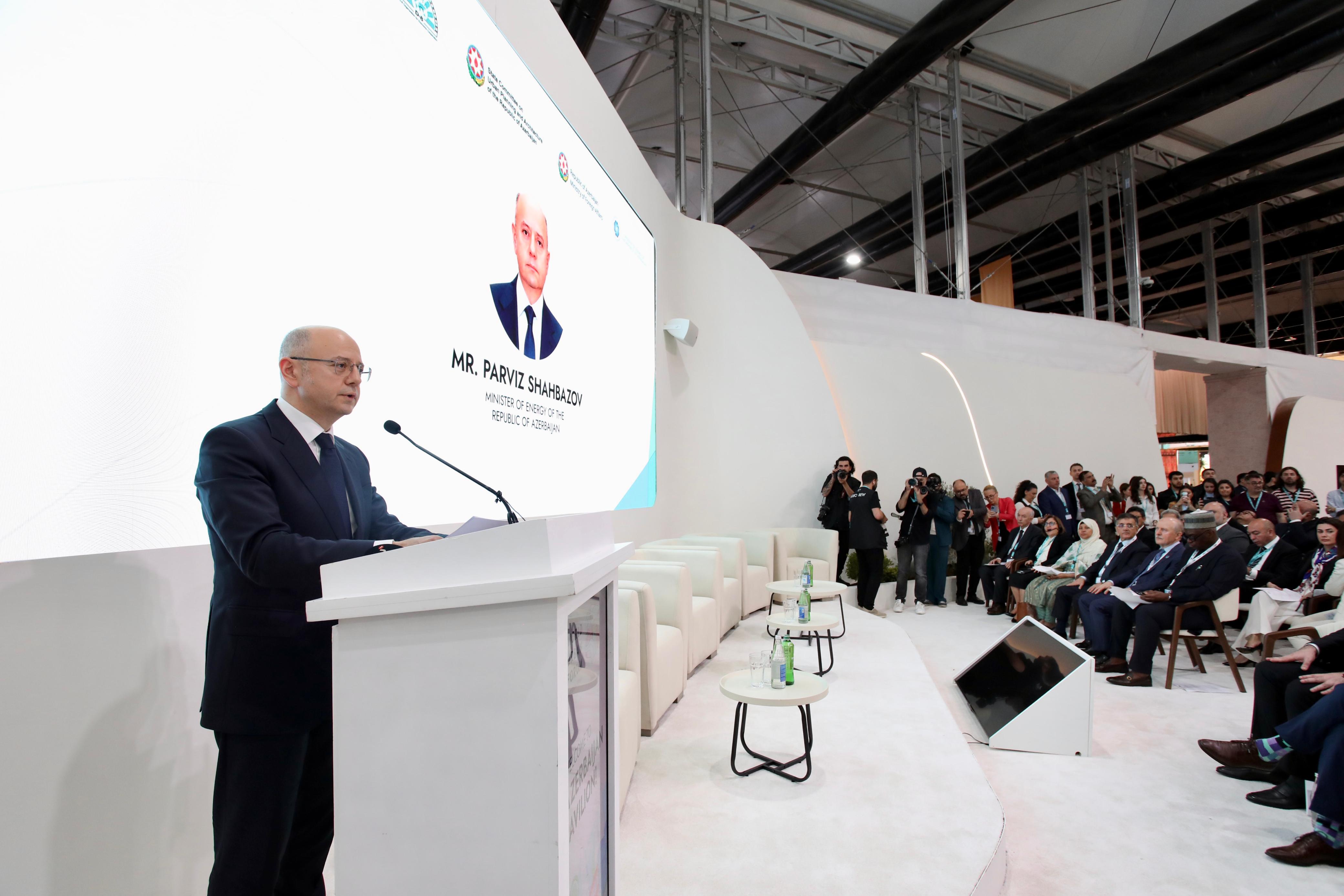
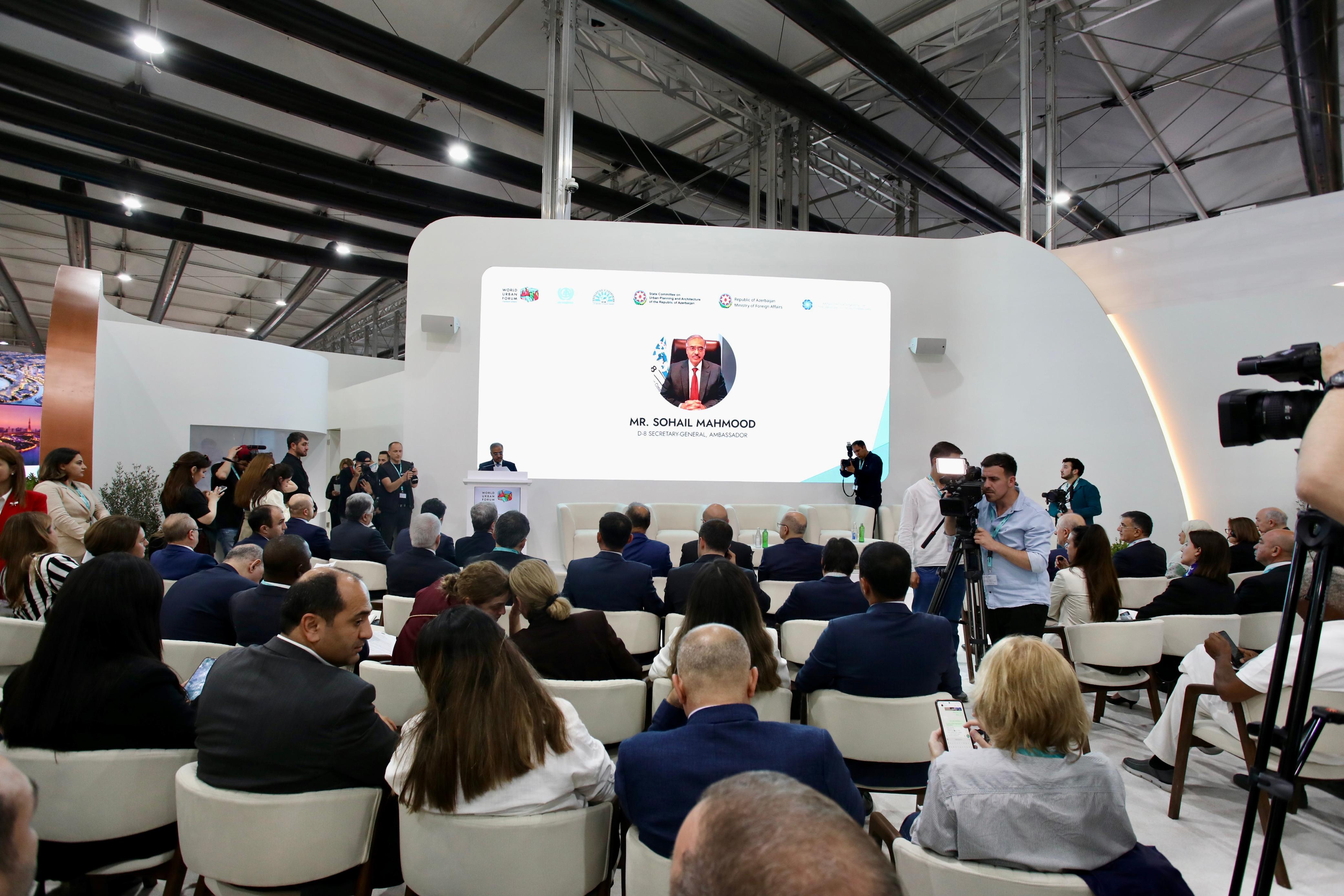
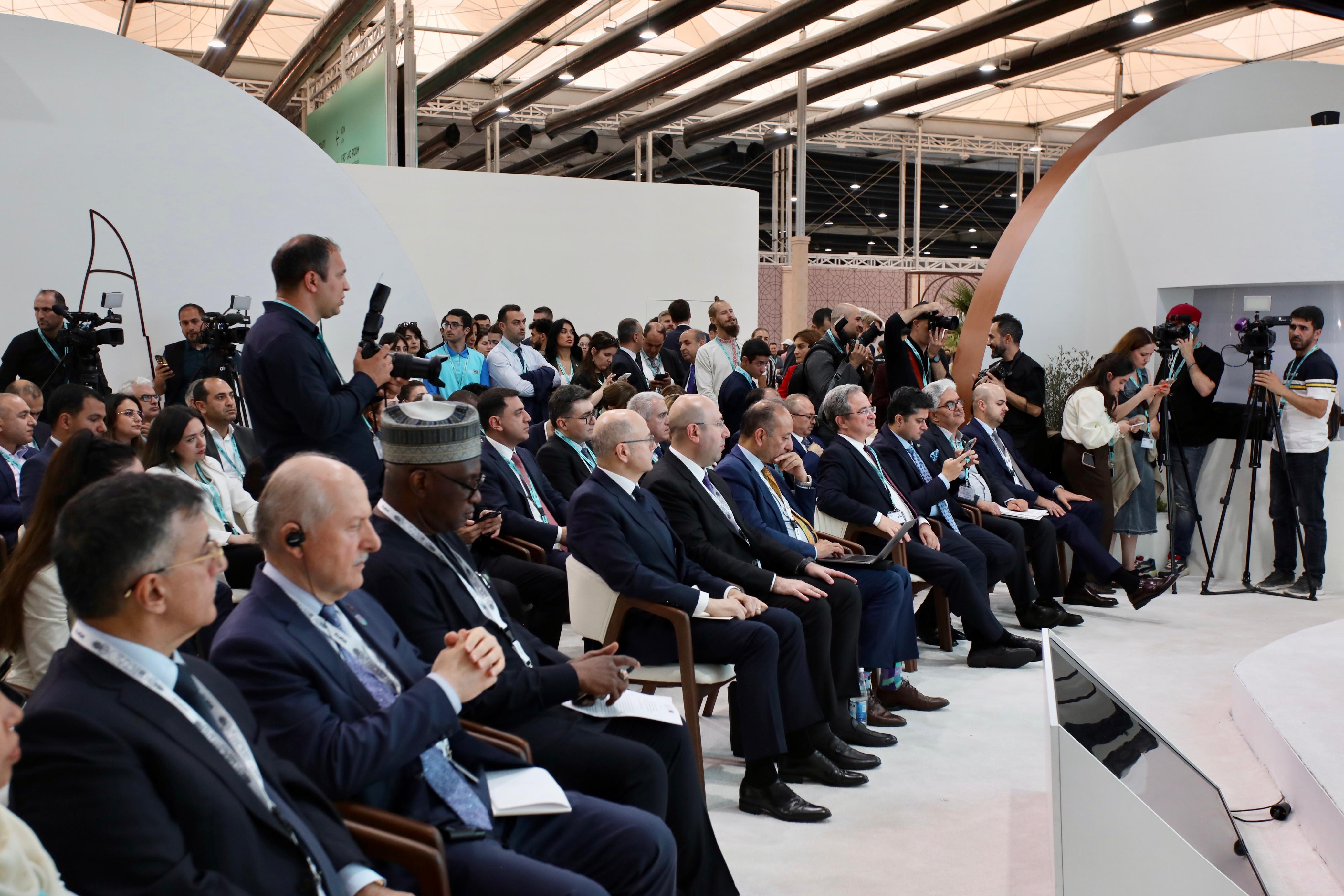
Within WUF13, D-8 High-Level Energy and Urban Dialogue was held
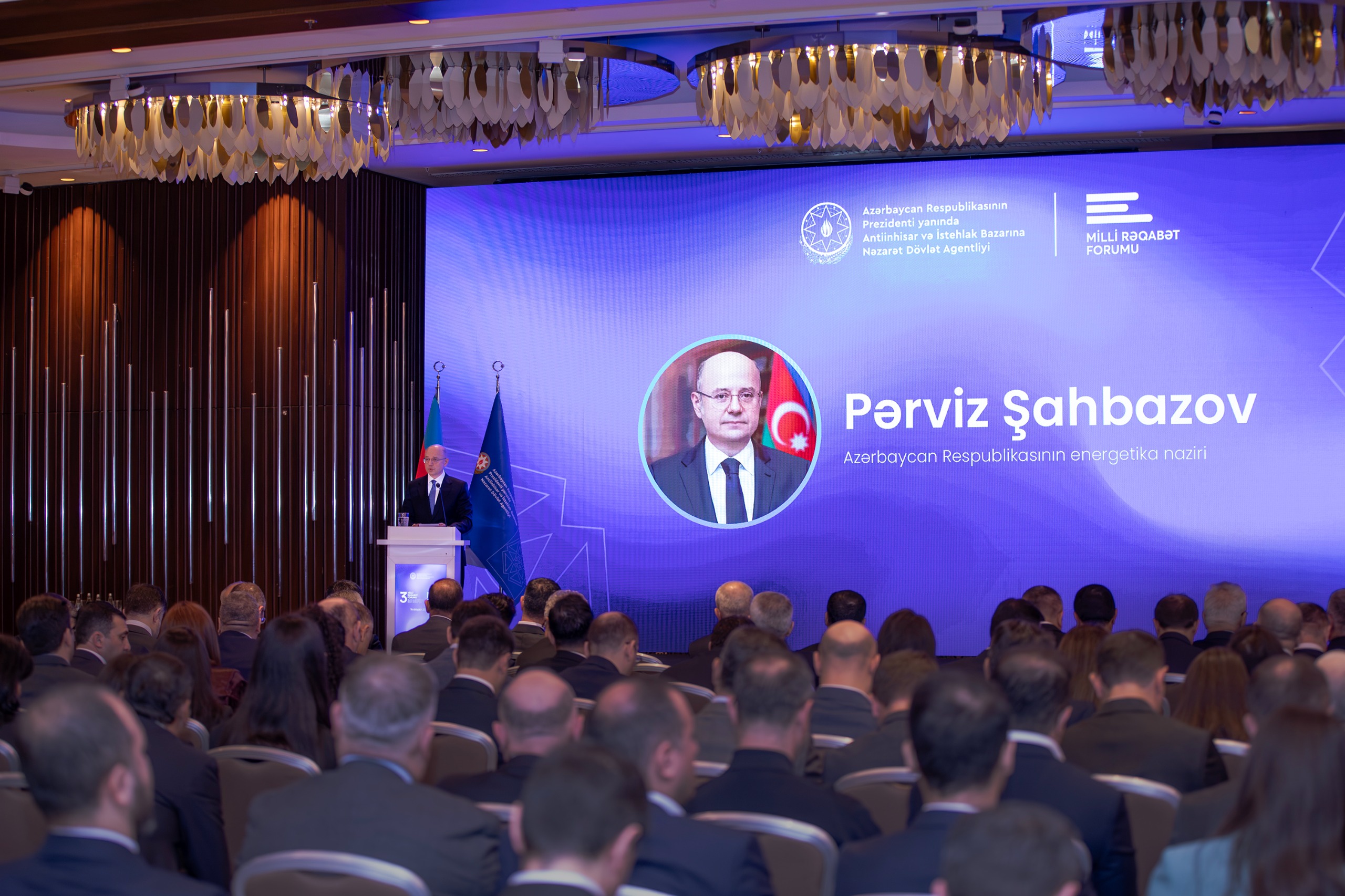
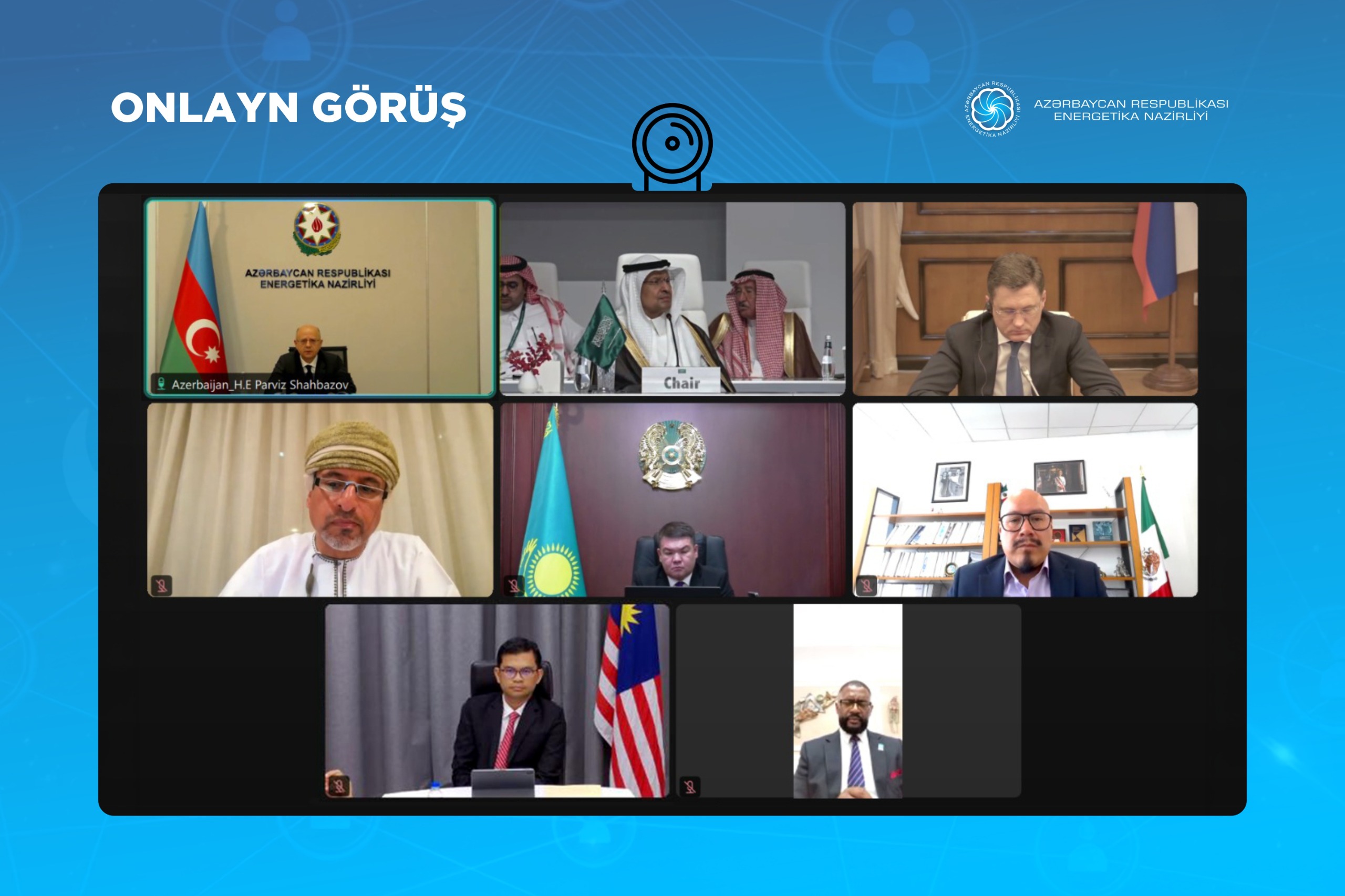
Within the framework of the 13th World Urban Forum (WUF13), D-8 High-Level Energy and Urban Planning Dialogue was jointly organized by the Ministry of Energy, the Ministry of Foreign Affairs, The State Committee for Urban Planning and Architecture and D8 Organization for Economic Cooperation.
Speaking at the event Powering Sustainable Cities in the D-8 Region: Aligning Energy Transitions with Urban Development Agendas, Energy Minister Parviz Shahbazov noted that cities accounted for approximately 70% of global energy consumption and a substantial share of greenhouse gas emissions. The Minister highlighted that this made it essential for D-8 countries to advance urban development based on renewable energy, energy efficiency, and climate-resilient solutions. It was stated that against the backdrop of rapid urbanization, energy security challenges, and climate change, green and smart cities were no longer only development models, but also key drivers of the global energy transition.
It was noted that Azerbaijan was advancing its green energy agenda as a strategic priority, and was implementing large-scale renewable energy and cross-border energy corridor projects, developing green energy zones initiative, enhancing energy efficiency, and modernizing our power grid. Next year, 12 solar and wind power plants with a combined capacity of 2 GW will be commissioned, preventing around 2.4 million tons of greenhouse gas emissions annually.
It was mentioned that the reconstruction carried out on the basis of smart village and city concepts in Garabagh and East Zangezur, which was declared the green energy zone under the initiative of the President of the Republic of Azerbaijan Mr. Ilham Aliyev. The Minister said that solar panels, energy-efficient solutions and EV charging infrastructure were being widely introduced in the region, while 1,650 MW of planned renewable energy capacity until 2030 was expected to reduce emissions by around 2 million tons annually.
It was noted that this modern urban planning model was being extended to other regions of Azerbaijan, which could offer a successful example for D-8 countries as well. Through integrated planning, we can both improve clean and efficient energy supply, and transforming our cities into more sustainable spaces.
Following the opening remarks of the Chairman of the State Committee for Urban Planning and Architecture Anar Guliyev, Secretary General of D8 Organization for Economic Cooperation Sohail Mahmud, the event was continued by the Ministers and Deputy Ministers of the D-8 countries.